

Content creator extraordinare
Create content around the way consumers search, then build a system that turns online attention into lasting relationships and real business.
Jamie Combs knew firsthand that social media could generate business. Before earning her real estate license, she had used Facebook and Instagram to build a six-figure sales business. Within four weeks, she landed her first listing through social media—and brought the buyer, too. Her second listing followed two weeks later.
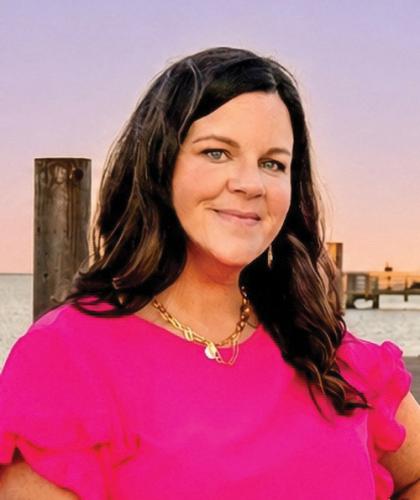
Since launching her real estate career, Combs, a sales associate with The Real Brokerage LLC in Destin, has made social media “the bread and butter” of her business. She doesn’t buy leads from real estate portals or rely on paid advertising. Instead, she creates content, invites interested viewers to request additional information and places prospects into a follow-up system. Along the way, she has built an audience of about 100,000 across her social media platforms.
A well-known Texas rodeo family recently found Combs through her
@sellingdestin Instagram account while looking for a long-term investment property near the beach. “They saw my content, loved it and said they’d love to work with me,” she says. “We chatted for a week and looked at properties back and forth before they came here.” Combs showed them homes, and they soon made an offer on a property on Holiday Isle, a sought-after coastal enclave known for its white-sand beaches, quiet residential atmosphere and deep-water canal access.
Combs also teaches other real estate professionals how to develop their own content and social media strategies to help attract clients on Instagram, Facebook and TikTok. Her message to agents who feel intimidated by video is simple: “Posting something is better than posting nothing.”
Here’s her strategy:
1. Sell the lifestyle.
Combs says real estate videos typically follow a familiar formula: An agent hires a videographer, delivers a polished script and walks viewers through a home. Her content instead focuses on the lifestyle the property could make possible.
“I take your basic influencer marketing and turn it into real estate [marketing].” A listing might become a story about living 10 minutes from the beach, owning acreage without an HOA or taking a golf cart to a friend’s house for happy hour. “[That strategy] gave me a leg up in Destin, 30A, Navarre, Miramar and Santa Rosa Beach [because] nobody in this area markets like I do,” she adds.
2. Think like a search engine.
Consumers increasingly turn to TikTok and Instagram, Combs says, to research restaurants, vacation rentals and places to live. She builds content around phrases they might search, such as “moving to Florida,” “Airbnb Florida” and “Destin beach house.”
She also creates videos for military families receiving relocation orders and people comparing Florida communities. “I’m turning my Instagram, TikTok and Facebook into what I want those search results to be,” she says.
3. Give each platform a different job.
“I think of social media like the state of Florida,” Combs says. “Everybody says, ‘I want to move to Florida—I don’t care where.’ But it’s all different.” She applies the same idea to each platform.
“TikTok is your more laid-back, younger group,” she says, noting that it tends to connect her with young families visiting the area and prospective vacation-rental buyers and investors. “I get a lot of my Airbnb people there.”
Instagram attracts a somewhat older crowd, including homeowners thinking about selling, parents whose children are leaving for college and consumers considering a move to Florida. Facebook serves a more business-oriented purpose. “That’s where I share my wins,” Combs says, including listings, pending sales, closings and other professional updates. On her personal page, her stories offer a behind-the-scenes look at homes for sale, showings, inspections and the day-to-day work of a real estate professional.
4. Give viewers a next step.
Views alone don’t create business. Combs invites interested viewers to request property details or her Florida relocation guide. Those responses enter a lead funnel where prospects can indicate whether they plan to buy immediately, within six months or several years from now.
Her system can continue following up for as long as five years through periodic messages and holiday greetings. That helps her distinguish someone ready to buy now from a viewer who might need years of useful information before making a move. Rather than waiting for leads, she uses content to build and nurture her ongoing pipeline.
5. Price still matters.
A video Combs created for a DeFuniak Springs property generated more than 900,000 views and about 800 leads, she says. The video followed her as she drove into the country and revealed the nearly two-acre property, its trees, backyard and horse barns. On-screen text promoted living about 22 minutes from the beach with no HOA and a “mortgage that doesn’t make you cry.”
But the sellers chose to list about $60,000 above her recommended asking price, and the home sat on the market as the price was gradually reduced. “Even with social media, you still have to factor in the professionalism we [Realtors®] provide,” she says, including preparing CMAs, interpreting the market and recommending the right listing price.
The experience reinforced the fact that social media can bring thousands of eyes to a property, but it cannot make buyers overlook an inflated price.